
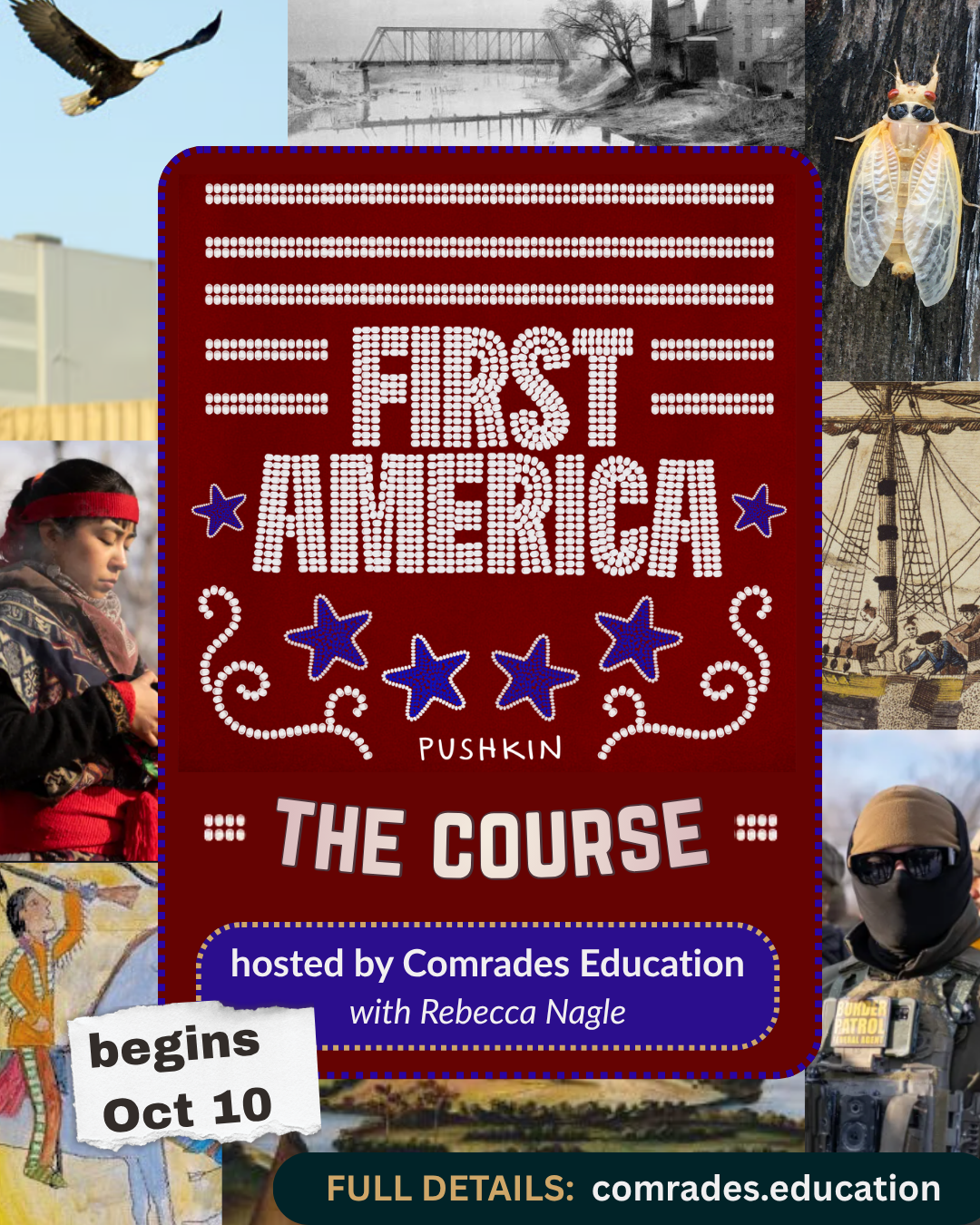
First America, The Course
INDIGENOUS HISTORY FOR COLLECTIVE LIBERATION
an online course from Comrades Education
with special guest Rebecca Nagle, author & host of the First America Podcast
Additional guest teachers, in order of appearance: Jayson Maurice Porter, David Dean, Zue Jernstedt, Rose Toehe, Viki Blackgoat, Hilary Giovale, and Honor the Earth organizers Ash & Aisha
US democracy and empire were built together. If we do not know the Native history of this country, we cannot understand the present moment we are in. With knowledge comes the power to act. Decolonization is a precondition for all life on earth … including yours, whether you are Indigenous or not.
This past summer, the so called United States of America celebrated the 250-year anniversary of the Declaration of Independence. Rebecca Nagle’s First America podcast coincided with this anniversary to tell the true story of this country’s founding and how our current political moment is 250 years in the making. Bringing together Indigenous experts and historians to unveil how the founders’ treatment of Indigenous nations is the root of authoritarianism in the United States, the story that First America tells is of vital interest to all of us.
First America, The Course, is an offering from Comrades Education intended to support listeners with an immersive experience, and supportive learning community, that helps you more deeply integrate the podcasts materials into your understanding of yourself and the world around you. Each session of this six session course will frame podcast episodes with additional study, analysis, discussion and reflective practices designed to help participants develop a political framework for action.
Throughout the course, emphasis will be placed on social engagement, Indigenous sovereignty, and solidarity-based organizing for meaningful, social change. Decolonization will be prioritized within this solidarity framework in alignment with the following analysis, articulated so eloquently by Indigenous historian and Red Nation co-founder, Nick Estes:
“Decolonization is a necessity for life on this planet. This settler colonial system, whether it is in Tel Aviv or Washington, holds the future hostage for the rest of the planet. It is not an Indian problem. It is not a Palestinian problem. It is a problem for everybody.”
With gratitude for the Indigenous clarity and leadership that Rebecca Nagle has brought out through the First America podcast, let’s get to work solving this dangerous problem together and commit to decolonization everywhere, for everyone.
· · ─ ·✶· ─ · ·
Rebecca will be joining us live on Oct 25 and Nov 7. Additional guest teacher bio’s at the bottom of the page. Read the full session outline below! ⬇️
-
Podcast Episode 1: Merciless Indian Savages
The opening session of the course will focus distinct themes from the first podcast episode, “Merciless Indian Savages”, including: the desire to take Native lands as a key motivator for the American Revolution; and the way in which Fort Snelling, a 19th century Dakota concentration camp and present day ICE headquarters, embodies the continuity of settler colonial tyranny.
Integrated themes will include an analysis of capitalism as the economic expression of and driving force behind colonialism, extraction and genocide, as well as a recognition of the parallel role that African enslavement played (alongside Native land dispossession) in motivating the colonists war for independence.
-
Podcast Episode 2 / Playing Indian
The second session of the course will focus on content from the second podcast episode, “Playing Indian”, that illuminates early colonial projections onto Indigenous identity and the corresponding psychology surrounding Native sports mascots today, as well as the enduring impact on Native people of this settler urge to “play Indian.”
Integrated themes will include a focus on parallel phenomena within Israeli settler colony, and its relationship to the United States, as well as the dialectic of settler identity as both entitled and violent, while also containing profound loss and spiritual longing. We will spend time studying the creation of whiteness as a core form of class manipulation, and also consider the ways in which ancestral connection and a health, liberatory sense of self are integral components of a larger, decolonial project.
-
Episode 3 / It Happened Here
The third session of the course will support participant processes and reflection around the genocide that happened on this land, including the fact that no part of United States development can be separated from it. We will make time to honor the stories of sacrifice and loss shared in this episode of the podcast, and reflect together on the relationship of the Onondaga and ogwenyo’da (the cicada) which demonstrates a type of belonging that settler society cannot emulate.
Integrated themes will include continued study and reflection on the relationship of the United States to Israel as a contemporary extension of European settler colonialism, and solidarity with Palestine as a vital piece of the global fight against colonialism, environmental devastation and genocide.
We will be joined in this session by. a representative of the Palestinian Youth Movment (PYM); member to be determined.
-
Episode 4 / Military Might
The fourth session of the course will explore the link between “Indian wars” of early U.S. history and the development of the U.S. military as we know it today. Focus on podcast materials will include Myaamia survival & language recovery one of a multitude of Indigenous survivance stories and representative of the diverse ways in which human communities resist colonial might - something we can all learn from.
Integrated themes to include: the contemporary U.S. military, including financial bloat at the expense of civilian society; the way in which “total war” continues in Gaza and Southern Lebanon; changing global power dynamics and the (ineffectual) war on Iran; the way in which the U.S. military preys on working class; and meaningful avenues for settler solidarity with Indigenous sovereignty and struggle.
Guests include Zue (from About Face) and Joubin (an anti-imperialist Iranian writer & advocate).
-
Episode 5 / Land, Not Liberty
The fifth session of the course will focus on integral themes from the fifth episode of the First America podcast, “Land, Not Liberty”, to illustrate the way in which US capitalism was built on the theft of Indigenous land and through a process of corruption, bribes and lawlessness.
Integrated themes will include study and reflection on the difference between “owning” land and belonging to land, and solidarity-based organizing based on mutual interest and land connection.
This session includes a special panel discussion with indigenous and settler members of The Sacred Land Alliance: an intercultural volunteer organization based in “northern Arizona” committed to building reciprocal relationships with land and community while working to address and repair the historical and ongoing harms of colonization.
-
Episode 6 / The Origin of American Authoritarianism
The final session of the course will focus on core concepts and stories from the final podcast episode, “The Origin of American Authoritarianism” that demonstrate how present day fascist, authoritarianism and imperialism is inseparable, and built upon, the treatment of the Indigenous peoples of this land.
Integrated themes will include a vision of people-centered (rather than profit-centered) society that prioritizes Native leadership and values, and study and discussion of what decolonization could look like in practice, how this process improves everyone’s lives, and the role of solidarity-based organizing in working together for a liberated future.
Course Details


Six live Saturday sessions:
Oct 10, 17, 24 and Nov 7, 14, 21
3-5:30pm eastern / 12-2:30pm pacific
Live attendance is not mandatory.
Sessions will be recorded.
Suggested registration fee: $160-320
No one will be turned away for lack of funds.
A portion of all proceeds will be donated to Indigenous language revitalization efforts.
Comrades Education is a US-based organization. We love having folks join us from outside the US, but this course will cover Indigenous history of the United States from the perspective of how that history impacts people who currently reside here. Some adaptations will need to be made by participants from other locals.
Primary course facilitator
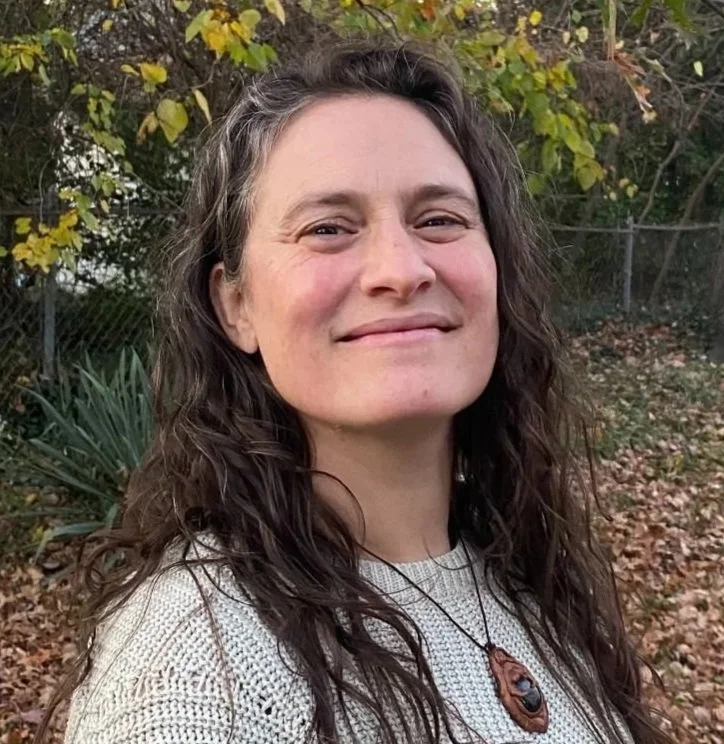

Eleanor Hancock
has built Comrades Education (formerly White Awake) from a small website to an organization of national significance. As founder and director of the organization, Eleanor holds a strong vision for Comrades Education’s work, integrating a holistic approach to antiracism education with working class, solidarity-based, domestic and anti-imperialist organizing. Her leadership grows out of years of experience as an activist, academic, artist, educator, and mother. For more on how Eleanor frames her anti-racism work, you can listen to this interview on Upstream Podcast. To read more about the Palestinian liberation coursework Eleanor has co-created over the past three years, see the 2025 and 2026 Palestine solidarity course descriptions. Eleanor collaborated with Suad Abdel aziz of Decolonize Sudan to bring this six series Sudan-focused course to our shared audiences, and co-created a Venezuelan solidarity course in 2026 as well.
With special guest:
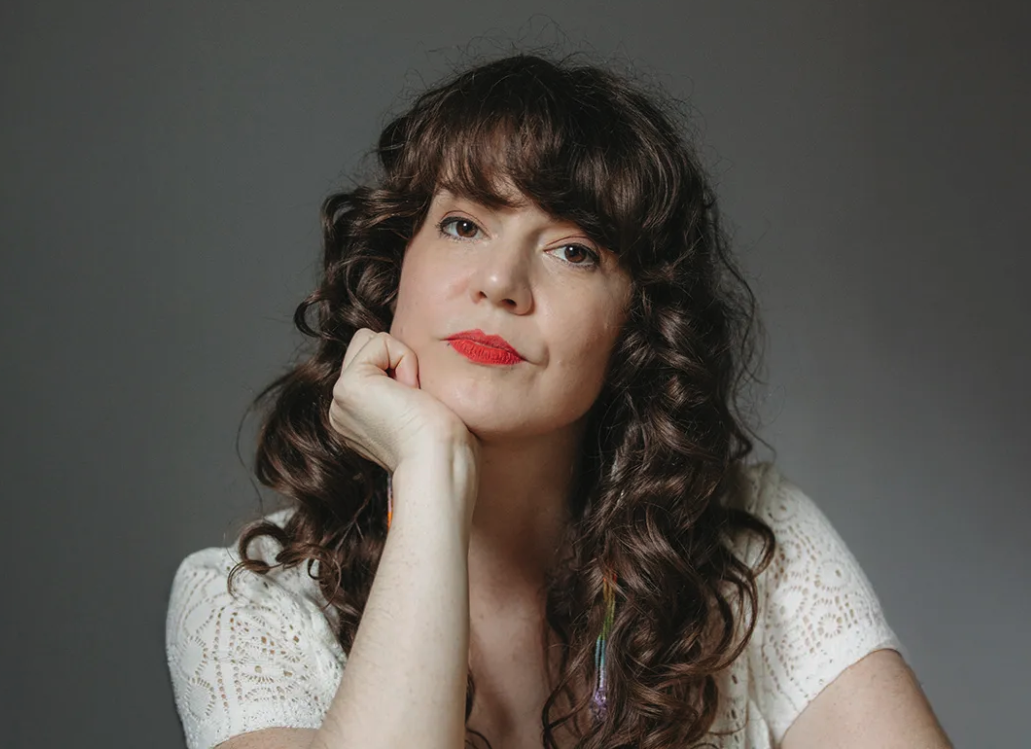

Rebecca Nagle
is an award-winning advocate and writer focused on advancing Native rights and ending violence against Native women. Author and host of the First America podcast, Nagle is a citizen of Cherokee Nation and a two spirit/queer woman. Her writing about Native representation and tribal sovereignty has been featured in the Washington Post, USA Today, Teen Vogue, the Huffington Post, and more. In 2016, Nagle was named one of the National Center American Indian Enterprise Development’s Native American 40 Under 40 for her work to support survivors and advocate for policy change to address the crisis of violence against Native women. Nagle lives in Tahlequah, Oklahoma, where she works for her tribe on language revitalization.
Additional Guest Teachers:
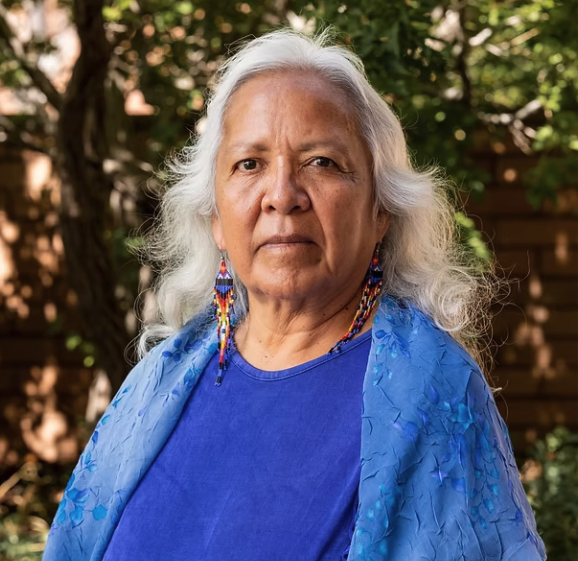
Vicki Blackgoat
was born and raised on the land disputed area of Big Mountain on the Dinét’ah land, Her mother, Roberta Blackgoat, was one of the integral, traditional women elders who resisted forced relocation. Overcoming obstacles to earn a bachelor’s degree from Dartmouth College, and a masters from Northern Arizona University, Viki has years of experience in the private education sector, where she often consulted on recruitment and retention of native students at preparatory high schools and colleges. Currently, Viki is one of three elders working with NAU students at the Native Center for the Advancement of Indigenous Futures (NCAIF). Serving as an Advisory Council Member of the Sacred Land Alliance, Viki continues to speak on behalf of our sacred mountain, Dooko’osłiid, Mother Earth, and the whole of the natural world.
· · ─ ·✶· ─ · ·
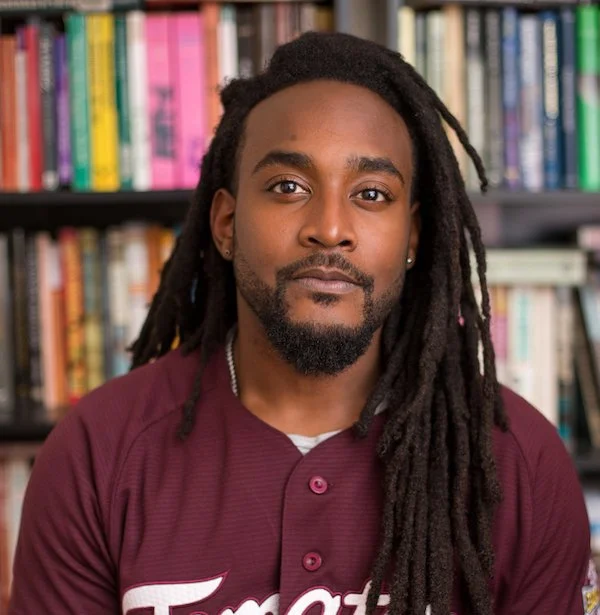
Jayson Maurice Porter
was born in Maryland like his great-grandmother Winona Spencer Lee (1909-2012), who worked family farm land on the Eastern Shore until the early 2000s. He is an environmental writer and historian who researches environmental histories of Mexico, the African Diaspora, food systems, agrochemicals, and environmental justice and injustice. Assistant Professor of History at the University of Maryland, Jayson serves as a Black and Indigenous Climate Faculty Fellow in the Indigenous Futures Lab of the Harriet Tubman Department of Women, Gender, and Sexuality Studies; is a board member of Rutgers University’s Black Ecologies Lab; and is a co-designer of the Chicago Teachers Union’s Environmental Justice Freedom School.
· · ─ ·✶· ─ · ·
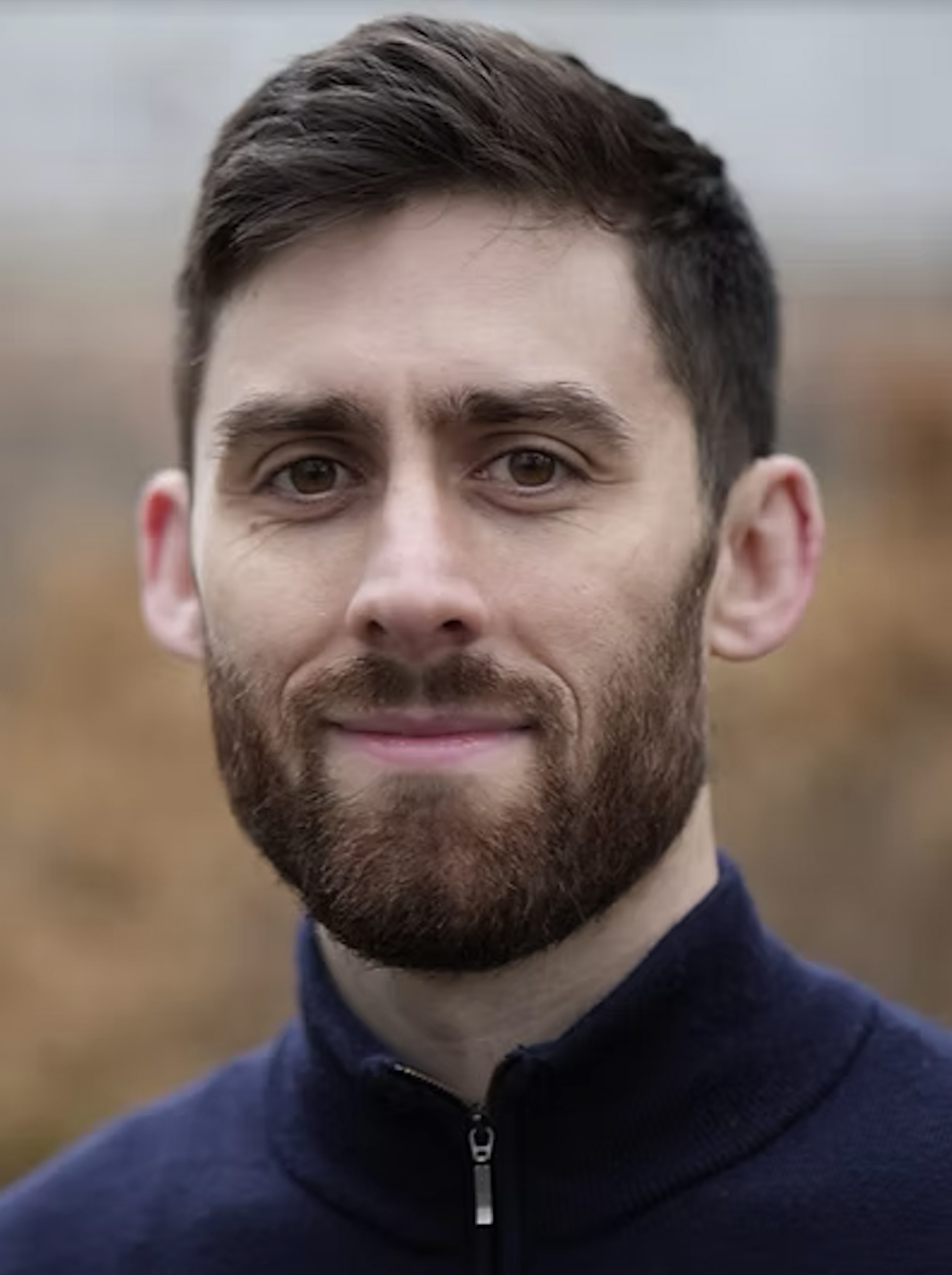
David Dean
is an educator, writer, and speaker seeking to support the growth of powerful coalitions in our social movements. He leads trainings independently and is also a contributor and former Associate Director at Comrades Education. Over the past decade, David has taught courses for more than 7500 people from all 50 states and 34 countries. He is currently writing a book titled, Roots Deeper than Whiteness, which expands upon on this essay he wrote for our organization in 2018. Learn more about David's work here or support his journey to bring this book to life by contributing to this fundraising campaign.
· · ─ ·✶· ─ · ·
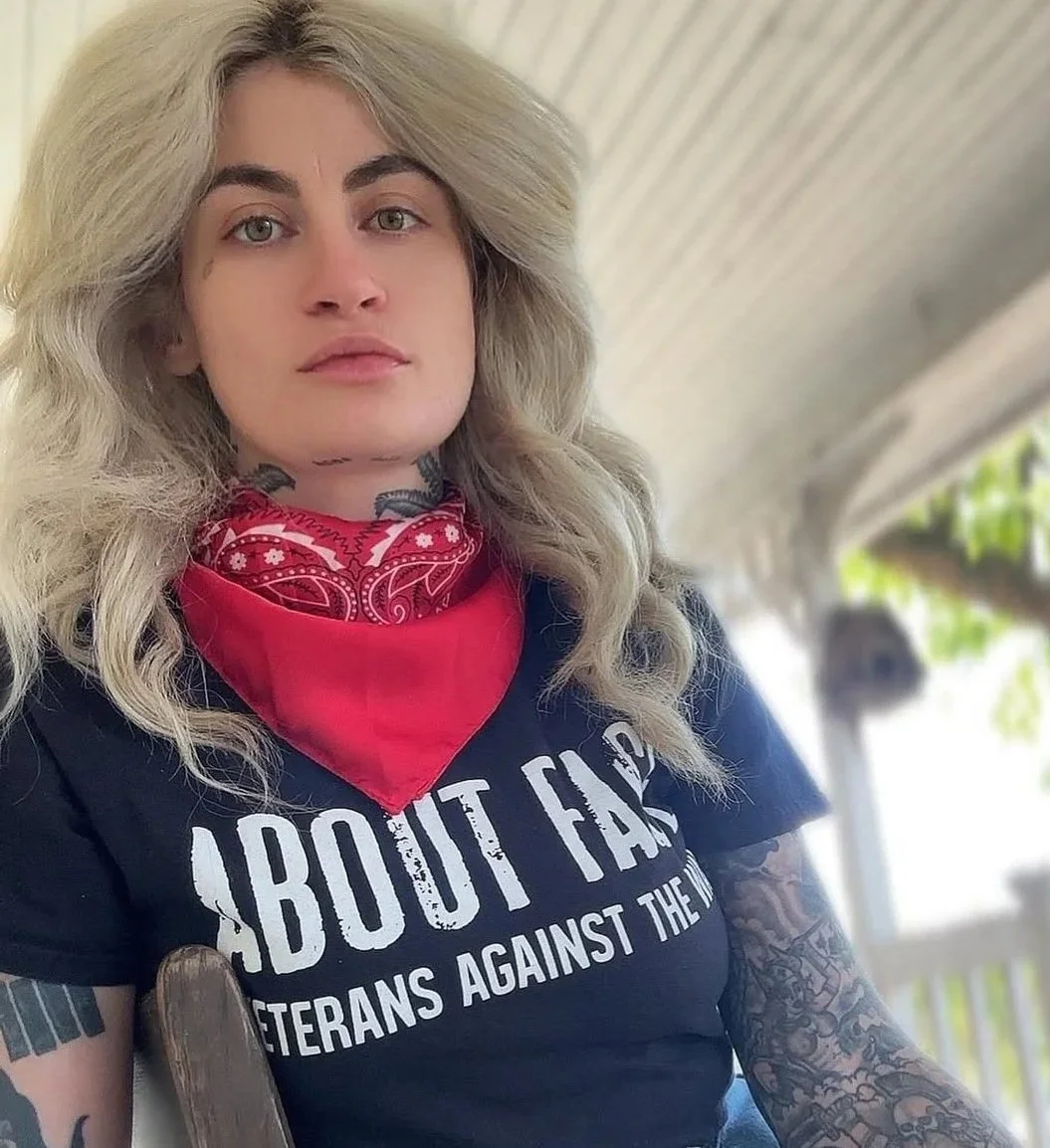
Zue Jernstedt
is a U.S. Army veteran and anti-imperialist organizer with About Face, currently serving as Communications Director for the organization. About Face: Veterans Against the War is a group of post-9/11 service members and veterans organizing to end a foreign policy of permanent war and the use of military weapons, tactics, and values in communities across the country. Zue sailed with the Ohwaylah veteran’s boat as part of the 2025 Global Sumud Flotilla, aiming to break the seige on Gaza. This past spring she helped organize high profile Washington DC and Philadelphia veteran’s protests against the Iran war.
· · ─ ·✶· ─ · ·
Indigenous Turtle Island & Palestinian organizers with Honor the Earth
Ash and Aisha will be joining us in order to share about the work Honor the Earth is doing for decolonization here in Turtle Island as well as within occupied Palestine, and how you can be involved! Honor the Earth is an Indigenous-led organization fighting to dismantle settler-colonialism, racial capitalism, white supremacy, and imperialism by helping our communities resist exploitation, withstand crises, and prepare future generations of leadership. We envision a future rooted in Indigenous sovereignty and lifeways, where all Peoples live in right relationship with Mother Earth and each other.
· · ─ ·✶· ─ · ·
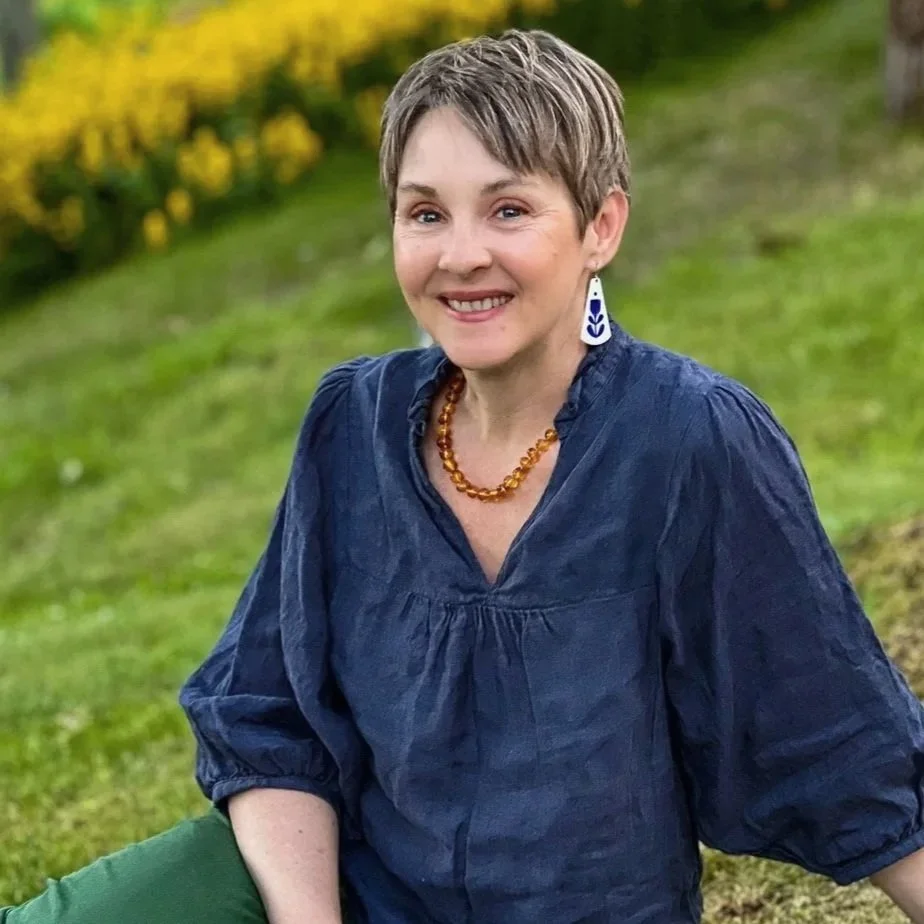
Hilary Giovale
is a community organizer, facilitator, and writer who lives on Hopi, Diné, Apache, and Havasupai, and other Nations' land in Flagstaff, Arizona. An American settler, she is descended from Celtic, Germanic, Nordic, and Indigenous peoples of Ancient Europe. Hilary seeks to follow Indigenous and Black leadership in support of human rights, environmental justice, and equitable futures. She is the author of the award-winning book Becoming a Good Relative: Calling White Settlers toward Truth, Healing, and Repair and a bean-ghlùine (midwife) of Sacred Land Alliance.
· · ─ ·✶· ─ · ·
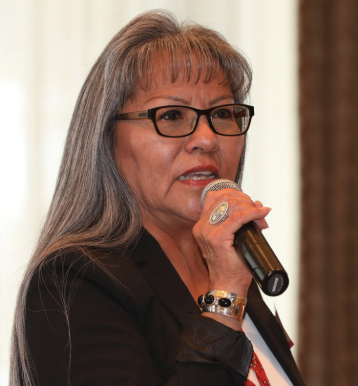
Rose Toehe
is a Diné and Ute elder with a long history of working on issues facing Indigenous peoples in Flagstaff and Coconino County, AZ. Currently the Indigenous Affairs Administrator for the City of Flagstaff for the city of Flagstaff, Rose’s advocacy includes pushing the county to change an ordinance banning fires in order to accommodate fire for ceremonial use, and training Flagstaff police on how to interact with Native members of the community. Having held numerous leadership positions at the local and national level, Rose is an important contributor to The Sacred Land Alliance.
Collage image descriptions/credits, clockwise from top right:
A bald eagle flies through downtown Denver during the covid pandemic | early industrial era photo of the Nameewa Siipiiwi (so called St Mary’s River) in so called Fort Wayne, Myaamia homeland | photo of a cicada during 2021 Brood X hatching (taken by Eleanor in her backyard) | historic rendition of Boston Tea Party | ICE presence outside of Whipple building, Fort Snelling, 2026 (Sahan Journal) | late 1880’s historic painting of Fort Snelling and surrounding landscape (Edward K. Thomas) | Greasy Grass artistic rendition in the form of a winter count (David Paul Bradley) | Native led ceremony outside of Fort Snelling, 2026 (Sahan Journal) | additional IG post imagery (not used here): students support Palestine during a march through Washington DC on International Workers’ Day in 2024
What participants have said about our courses
This course is actively supported by our Advisory Council Members:


Katrina Messenger
Betty Burkes
Bonnie Duran
"Why do you charge for your work?"
We believe the work that we do is significant, and we want to do it well. To this end, we charge a modest fee for our online programs, and solicit donations from participants and supporters, in order to meet our financial needs. This allows Comrades Education staff and instructors to focus their time and energy on the educational work this project promotes, for the benefit of all.
Comrades Education and our instructors support a transition away from capitalism, imperialism and white supremacy; we support reparations to historically targeted groups, communities and Peoples; and we make our work available to all regardless of financial means.
If you have further questions, please contact: info@comrades.education